
Todorov Theory
The main idea to Tzvetan Todorov’s narrative theory is that all narratives frequently have a 3 part structure pattern. Begins with an equilibrium, in which everything is normal as usual. As the narrative progresses, something comes along to disrupt that equilibrium. When the narrative structure reaches its closure for the resolution, the equilibrium is then restored.

(Selina Argyrou, 2019)
These are the 5 main steps for traditional stories.
- Equilibrium (Everything as it should be.)
- Disruption (from or by an event.)
- Recognition of disruption.
- Attempts to repair disruption.
- New equilibrium (Resolution)
Movie Example: Wall-E
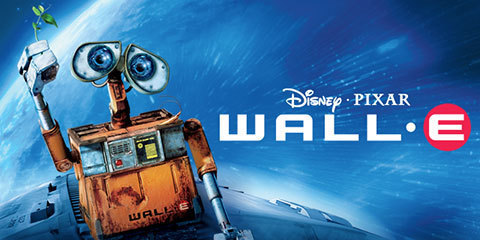
Wall-E is an animation/Sci-Fi movie which was made in 2008 by Disney’s Pixar Studio.
I will be researching more about the movie’s narrative structure through website blog articles based on how it uses both Todorov and Propp’s theories. I will reflect on this by gaining some knowledge about how these two theories serve their purpose effectively for this movie, which will go toward this contextual blog post and more importantly for my Final Major Project.
Equilibrium
https://www.youtube.com/watch?v=i4gsHHsO2fQ

Wall-E, YouTube. (2019).
Wall-E and his little cockroach friend lives on earth, while the human race traveled to live in space away from an overly polluted home planet, Earth. The humans had left the planet filled with wastage and junk for Wall-E to clean up. Nothing has changed since, This is Wall-E’s life.
Disruption and Recognition of Disruption


YouTube. (2019). WALL·E – EVE.
The Disruption begins as soon as Eve is introduced to the story. This all changed Wall-E’s meaning of life, no longer did he just have to clean up Earth, but instead he tries to look after and impress Eve. Wall-E eventually shows Eve a plant, which was found earlier in the movie. After Eve scanned it, she quickly collected it and proceeded to go into a hibernation sleep status.

(YouTube, WALL·E – The Plant 2019).

(YouTube. 2019. WALL·E – EVE Retrieve.)
This accomplished Eve’s goal by looking for signs of life on Earth. Eve is then later taken away from the planet into space, Wall-E follows after her and later boards onto the human spaceship called the Axion. He later causes some trouble on the ship while searching out for Eve.
Attempts To Repair The Disruption

(YouTube, 2019, Captain’s Dream of Planet Earth)
Eve is later woken up and delivers the plant to the captain of the ship, who reinsures that humanity can go back home to live on Earth again. The villain “Auto” tries to prevent this by taking the plant from being delivered to the ship’s holo-detector. Wall-E helps by trying to stop Auto, but results in him getting electrocuted and is slowly dying due to his chip being damaged.
New-Equilibrium


(YouTube, 2019. WALL·E – Ending).
Auto was later defeated by the captain shutting him down along, Wall-E successfully placed the plant in the holo-detector. The humans returned back to Earth, Eve then had to save Wall-E by replacing the damaged chip. This causes him to lose his memory, but soon after Eve kissed Wall-E, his memory and personality was restored.
Propps Theory
Vladimir Propp had created theory for characters that will play their own role for narrative stories. The Propp’s theory is used to suggest that every narrative has 8 different types of character.
- The Hero: The main character that the audience will look at him/her being a important key character to the story.
- The Villian: The main antagonist who will face against the hero.
- The Helper: A character who helps the hero at some point of the story by advising and supporting the character.
- The Princess/Prize: A hero who is deserving of her throughout, but unable to win her because of unfair evil, such as the villain. The hero’s quest ends by defeating the evil villain and marry the princess, resulting a “happily ever after” ending.
- The Dispatcher: A character who gives out a task for the hero, who could later be identify the false hero as the princess’s father. Propp’s noted that the princess and her father cannot be clearly distinguished.
- The Donor: This character prepares the hero with a key item to help him/her quest.
- The Hero or Victim: Reacting to the donor/marrying the princess.
- False Hero: A character who starts off good. but later betrays the hero or takes credit from him/her. Possibly try to steal and marry the princess for himself.
In modern day entertainment in TV shows and movies still uses theory to tell their story, but it does not completely include every related character role. They will follow these theories but presented in their own genre and themes that writers in-visioned for the story.
Propps Theory Used in Wall-E
(10, 2019)
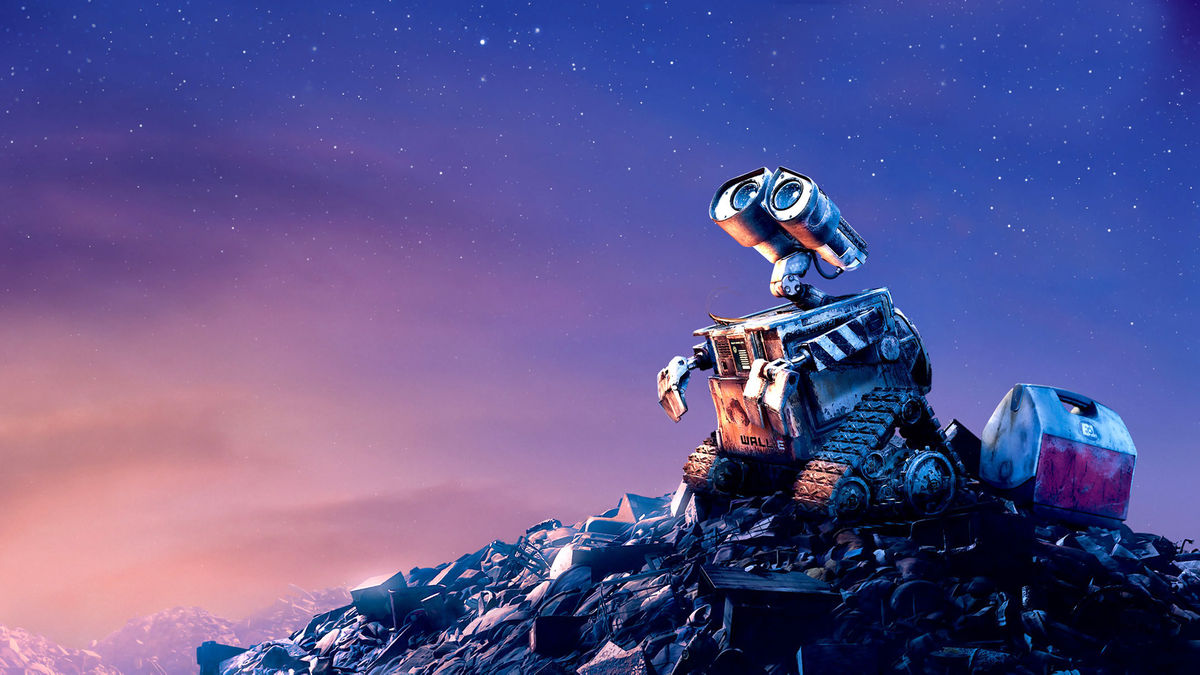
Hero: Wall-E is the main character and hero to the story.

(Lagadec, 2019)
Villain: At first, the audience might look at Eve as the villain, but later reveals that she is good. The really villain who is later introduced to the story is Auto, the ship’s autopilot.

(Ejumpcut.org, 2019)
The Helper: The captain of the Axiom spaceship helps Wall-E save the day by shutting down Auto’s programming system.
(Disney Wiki, 2019)
The Princess: Eve may have been observed as the villain at first by destroying things and even Wall-E, without showing any feelings at all. When Wall-E meets Eve, her character starts and progressively changes throughout, making her the princess to the story. Wall-E falls in love with Eve which later makes her feel the same in the end.
How Will This Reflect My FMP
I will be using the Tzvetan Todorov’s Narrative Theory to help me develop some ideas how I could set-up the 3 act structure for my narrative to the animated movie trailer. As for characters, I will be following “Vladimir’s Propps Theory” to develop ideas for narrative roles based heroes, villains, etc. I thought that both of these theories basic enough to follow while developing a script for my projects story idea. It will also be an ideal method to follow within the time frame that I have been given.
Harvard References
prezi.com. (2019). TODOROV’S NARRATIVE THEORY. [online] Available at: https://prezi.com/y5gvfc_pngwb/todorovs-narrative-theory/ [Accessed 15 Mar. 2019].
YouTube. (2019). Clip 2: Wall-E Finding Plant Life. [online] Available at: https://www.youtube.com/watch?v=i4gsHHsO2fQ [Accessed 15 Mar. 2019].
Wanderlost. (2019). Wall-e Film Analysis. [online] Available at: https://bronaghdoc10.wordpress.com/2014/12/08/wall-e-film-analysis/ [Accessed 15 Mar. 2019].
Esfmedia.com. (2019). Wall-E – Narrative – Media@ESF. [online] Available at: http://www.esfmedia.com/page/Wall-E+-+Narrative [Accessed 15 Mar. 2019].
mmitcham-rowell (2019). Character theory. [online] Slideshare.net. Available at: https://www.slideshare.net/mmitcham-rowell/character-theory-61019170 [Accessed 18 Mar. 2019].
Image References
Selina Argyrou. (2019). Todorov Theory. [online] Available at: https://selinaargyrou.wordpress.com/todorov-theory/ [Accessed 18 Mar. 2019].
Frost, J., Frost, J., Frost, J., Frost, J., Frost, J., Frost, J. and Frost, J. (2019). Pixar’s Wall-e — From Script to Screen | The Disney Blog. [online] The Disney Blog. Available at: https://thedisneyblog.com/2018/01/19/pixars-wall-e-script-screen/ [Accessed 18 Mar. 2019].
10, T. (2019). The Loneliest Robot | WALL-E at 10 – HeadStuff. [online] HeadStuff. Available at: https://www.headstuff.org/entertainment/film/wall-e-at-10/ [Accessed 18 Mar. 2019].
Lagadec, F. (2019). AUTO, character from “WALL-E”.. [online] Pixar-Planet.Fr. Available at: https://pixar-planet.fr/en/auto-personnage-dans-wall-e/ [Accessed 18 Mar. 2019].
Ejumpcut.org. (2019). “WALL-E,” p. 2. [online] Available at: https://www.ejumpcut.org/archive/jc51.2009/WallE/2.html [Accessed 18 Mar. 2019].
Disney Wiki. (2019). EVE. [online] Available at: https://disney.fandom.com/wiki/EVE [Accessed 18 Mar. 2019].
YouTube. (2019). WALL·E – The Plant. [online] Available at: https://www.youtube.com/watch?v=eIjW04gISO8&index=10&list=PL4tadHw-sbDupCYrEG_sZXzhubpSC183N [Accessed 28 Mar. 2019].
YouTube. (2019). WALL·E – EVE. [online] Available at: https://www.youtube.com/watch?v=ZRRVedb8lyM [Accessed 28 Mar. 2019].
YouTube. (2019). WALL·E – EVE Retrieve. [online] Available at: https://www.youtube.com/watch?v=Fe9i7-vSbQU&list=PL4tadHw-sbDupCYrEG_sZXzhubpSC183N&index=12 [Accessed 28 Mar. 2019].
YouTube. (2019). Captain’s Dream of Planet Earth – Wall-E. [online] Available at: https://www.youtube.com/watch?v=OWugQ4Rla9k [Accessed 28 Mar. 2019].
YouTube. (2019). WALL·E – Ending. [online] Available at: https://www.youtube.com/watch?v=t9SiT7Na3Tk&index=29&list=PL4tadHw-sbDupCYrEG_sZXzhubpSC183N [Accessed 28 Mar. 2019].
 Richard's EDCM2 FMP Blog
Leave a comment